
How Market Conditions Influence Offering Pipeline Decisions
Companies preparing to raise capital through public markets in India rarely make this decision in isolation from broader economic and market conditions, and understanding this relationship helps explain why the volume and pace of any particular NSE IPO activity can vary so considerably from one period to another. Examining how prevailing conditions shape the Upcoming IPO pipeline at any given point in time offers useful perspective for investors trying to understand the broader forces influencing India’s primary market. This article explores the key market factors that influence when and how companies choose to proceed with their public offering plans.
The Influence Of Broader Equity Market Performance
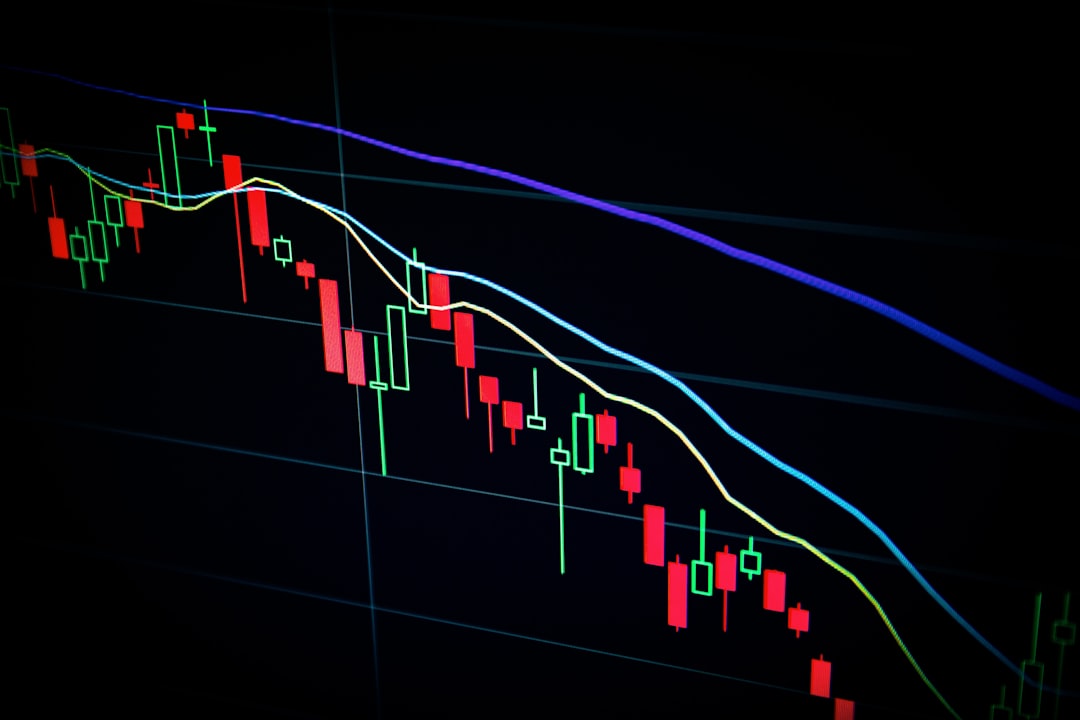
Perhaps the most direct influence on the activity of the primary market will be the performance and sentiment of the secondary market in which the previously listed companies trade every day. When the former’s indices are on the rise and the general perception of the market’s performance is positive, companies and their financial advisors view this as an auspicious opportunity for a successful venture in listing a company.
During these periods, firms that were considering their options for a public listing often speed up their processes to take advantage of this seemingly perfect window that has arrived, and this could create a sort of crowded market: a period filled with companies choosing to issue their offerings, which demands the investor’s attention and funds during this period, which sees many competitors.
On the other hand, during periods of a volatile market and negative performance of the secondary market, companies choose to wait in order to avoid the risk of an even more unfavourable market at the time of their venture.
This is a sensible decision on the company’s behalf, as poor market conditions demand low levels of investors’ appetites, and thus there is a possibility that their offering would not reach the required funding; a worst-case scenario would be a total lack of reception.
Interest Rate Environment And Liquidity Conditions
The interest rate environment of the economy also has a major impact on the activity of the primary market. This is because lower interest rates make equity investments more attractive to investors, thus leading to a surge of interest in both previously listed ones and forthcoming new shares. With the rates at such a relatively low level, it is also easier for companies to tap into other sources of financing, thus eliminating the need for an initial public offering for immediate cash requirements.
The general liquidity conditions present in the economy also play a major role in determining the level of activity that could be seen in the primary market; this is because during periods of high liquidity, which could come either from domestic or international inflows into Indian markets, there is a high demand for new offerings. This is due to the fact that institutional investors have better chances of participating in the new issues when they are experiencing high inflows of funds into their respective funds and need to diversify into available investment avenues, one of which is the primary market.
Regulatory And Policy Developments
Other than the market-driven forces that influence the pipeline of the primary market, regulatory and policy considerations also have great influence. This is in the sense that certain changes in policies or regulations could either motivate or demotivate a company from a venture at a particular time. Such a scenario often plays out in cases that involve sector-specific regulations.
Government policies that are geared towards incentivising certain industries or sectors often encourage companies in these fields to consider the primary market as a worthy option at a higher rate since there could be a possibility of a more attractive performance in terms of growth in stock price, as a result of the policy implementation.
From these factors that influence the activity of the primary market, one can understand the different economic and market conditions that determine the movement of activity in the primary market that is driven by Indian companies.